Chapter 10: The Child Who Inherited Light

Chapter 10: The Child Who Inherited Light
Rosa’s daughter was born on a rainy Tuesday morning.
She arrived three weeks early, loud, furious, and perfect.
Rosa named her Luz.
Light.
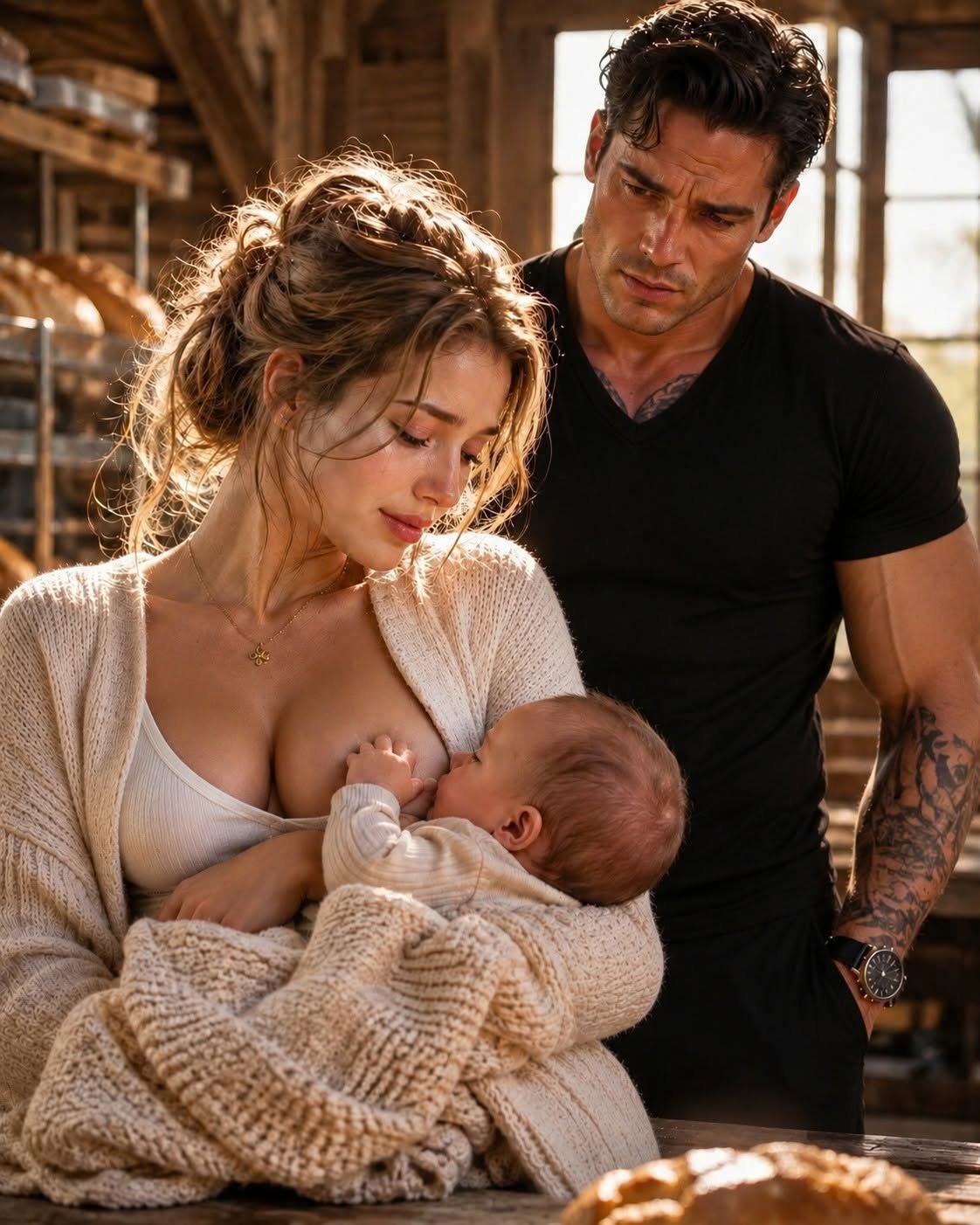
When the nurse placed that tiny pink bundle against Rosa’s chest, Rosa looked down and began to cry.
Not the frightened tears I had seen in Adrian’s townhouse.
Not the exhausted tears from court.
These were different.
These were tears from a woman who had crossed a burning bridge and found the world still waiting on the other side.
“She’s so small,” Rosa whispered.
I stood beside the bed, holding a cup of terrible hospital coffee, trying not to cry and failing completely.
“She has excellent timing,” I said. “Very dramatic entrance.”
Rosa laughed.
Luz opened one eye, unimpressed by all of us.
Margaret arrived that afternoon with sunflowers again. She moved slowly, leaning on her cane, but when Rosa placed the baby in her arms, the old woman’s face changed.
All the steel softened.
“Hello, little light,” Margaret whispered.
Helena came two days later.
Rosa had agreed to see her for ten minutes.
No cameras.
No lawyers.
No performance.
Helena entered the room carrying no flowers, no gifts, no grand gestures. Just an envelope and a face stripped bare of pride.
“I am not here to ask forgiveness,” she said.
Rosa watched her carefully.
“I am here to say I helped create the silence that hurt you. I cannot undo that. But I have signed a statement supporting restitution from the family trust for the women harmed by Adrian and Charles.”
She placed the envelope on the table.
“And I am sorry.”
Rosa looked at the envelope, then at Helena.
“Sorry does not fix it.”
“No,” Helena said. “It doesn’t.”
Rosa nodded once.
“Then make sure you never protect another man like him again.”
Helena’s eyes filled.
“I won’t.”
After she left, Rosa stared at the door for a long time.
“Do you believe her?” I asked.
“I believe she knows we are watching now.”
Sometimes that was enough to begin.
Adrian was sentenced six weeks later.
The judge spoke plainly.
About abuse of power.
About witness intimidation.
About using wealth as a shield and fear as a leash.
Adrian stood in a dark suit, thinner than before, his hair cut too neatly, his expression controlled until the sentence was read.
Then his mouth opened slightly.
As if some part of him had still believed the world would bend.
It did not.
He was taken away.
No speech.
No final threat.
No dramatic last look.
Just the closing of a door.
Cole Meridian survived, but not unchanged. The board was rebuilt. Domestic worker protections became part of the company’s public accountability plan. Settlement practices were audited. Several executives resigned. Marcus Vale faced charges of his own.
My nonprofit changed too.
We expanded faster than we were ready for, then learned to become ready.
The Rosa Morales Worker Protection Fund launched with money from the Cole family trust, corporate penalties, and thousands of small donations from people who had watched the case unfold online and wanted to believe justice could be more than a headline.
Marissa became our operations director.
She was ruthless with budgets, suspicious of powerful donors, and very good at telling arrogant men to wait in the lobby.
Rosa took time to heal.
Real healing.
Not the kind people demand because they are uncomfortable with your pain.
Some days she was strong.
Some days she was angry.
Some days she held Luz and stared out the window, mourning the version of herself who had believed Adrian’s promises.
I learned that survival is not a straight road.
It circles.
It stalls.
It collapses in grocery stores and court hallways and quiet bedrooms.
Then one morning, without asking permission, it blooms.
A year after the day I found Rosa kneeling on Adrian’s marble floor, we held the opening ceremony for our new worker advocacy center.
We painted the front door yellow.
Rosa chose the color.
“Light should announce itself,” she said.
The building had legal offices, emergency housing space, counseling rooms, childcare, and a kitchen that always smelled faintly of coffee and cinnamon because Marissa insisted people told the truth more easily when they were fed.
Reporters came.
Donors came.
Former clients came.
Women who had once arrived through back doors now walked proudly through the front.
I gave a short speech because long speeches make people restless and because the real story was not mine alone.
I said, “This center exists because one woman was told to disappear and refused. It exists because silence is expensive, but truth builds homes.”
Then Rosa stepped forward holding Luz.
The crowd quieted.
Luz, now round-cheeked and bright-eyed, grabbed the microphone.
Everyone laughed.
Rosa smiled and gently took it back.
“One year ago,” she said, “I thought my child would be born into shame. I thought she would inherit fear. But she inherited witnesses. She inherited protection. She inherited women who stood beside us when running would have been easier.”
Her voice trembled.
Then steadied.
“I want this place to be for every woman who has been told she is too poor, too foreign, too powerless, too inconvenient to matter. You matter before anyone believes you. You matter before you have proof. You matter before the world learns his name.”
Applause rose like thunder.
I stood in the back, watching her.
Not as a rescued woman.
Not as a victim.
As Rosa.
Whole in ways that had nothing to do with what Adrian had broken.
After the ceremony, my mother found me near the entrance.
“You look happy,” she said.
I glanced around.
At Marissa arguing with a caterer.
At Lucas pretending not to enjoy the attention from reporters.
At Margaret sitting beneath a sunflower arrangement, looking like a queen who had finally chosen the right kingdom.
At Rosa laughing as Luz smeared frosting on her dress.
“I am,” I said.
“Do you ever miss him?”
The question surprised me.
I thought carefully.
“I miss who I thought he was sometimes,” I admitted. “But not him.”
My mother nodded.
“That’s grief too.”
Across the room, a young woman stood near the door, clutching a purse with both hands. She looked terrified. A volunteer approached her gently.
I knew that look.
Rosa knew it too.
She handed Luz to me and walked toward the woman.
No cameras followed.
No applause.
No dramatic music.
Just one survivor recognizing another at the beginning of the hardest walk of her life.
Luz squirmed in my arms, then grabbed the necklace at my throat.
I looked down at her and smiled.
“Your mother is something else,” I whispered.
The baby blinked at me, serious and bright.
Outside, sunlight spilled across the yellow door.
For months, people had asked me when the story ended.
They wanted a verdict.
A sentence.
A scandal closed.
But stories like ours do not end when the villain falls.
They end every time a locked door opens.
Every time a woman is believed.
Every time a child is born into safety instead of silence.
And sometimes, if justice is patient and women are brave, the thing meant to destroy a man’s career becomes the light that exposes everything he built in the dark.
Rosa looked back at me from across the room.
She was holding the frightened woman’s hand.
I nodded.
She nodded back.
May you like
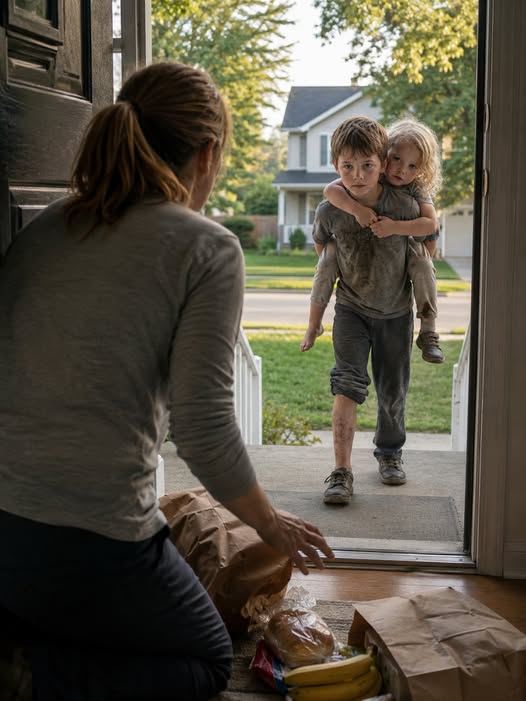

Then she opened the yellow door wider.
And another woman stepped inside.