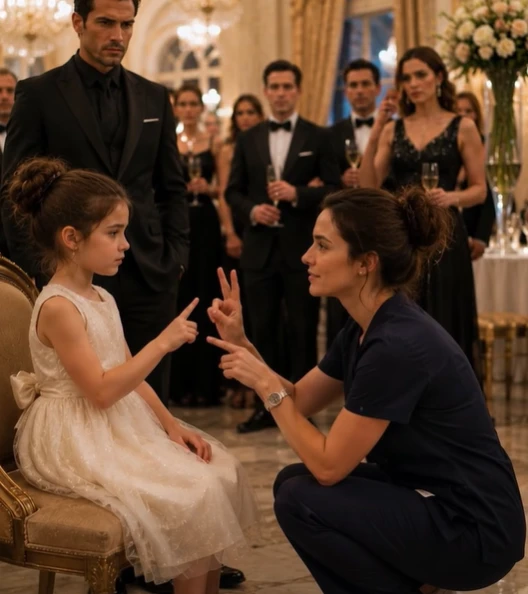
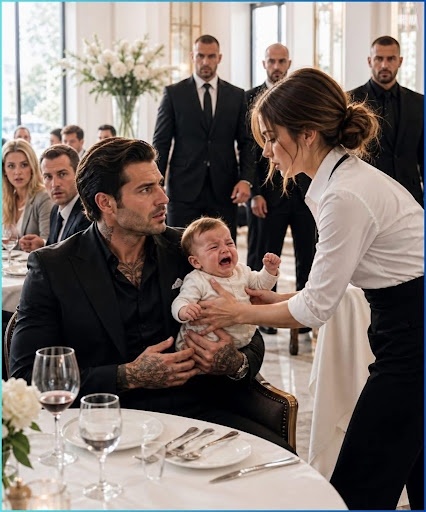
Chapter 15 - THE HOUSE WITH OPEN DOORSOne year later, the Nicholas estate no longer looked like the same house.
The iron gates were still there, but they stayed open during the day.
The security system had been rebuilt from the ground up, not to hide secrets but to protect people. The staff entrance had been removed. Not renovated. Removed. Sha had ordered the wall taken down himself.
“No more invisible doors,” he had said.
The old service hall became a bright corridor with windows.
The hidden pantry stairs remained, but now a brass plaque marked them as part of the estate’s history, not something to pretend had never existed.
The nursery had been repainted pale yellow.
Not blue.
Not cream.
Yellow, because little Josh pointed to a picture of sunrise in a book and said, “That one.”
On a warm Saturday morning in May, the house filled with voices.
Not the stiff, careful voices of charity guests pretending not to notice staff.
Real voices.
Children laughing on the lawn. Lawyers carrying boxes of intake forms. Social workers setting up tables beneath white tents. Former domestic workers hugging one another in the garden. Reporters waiting beyond a respectful line, invited only after agreeing to rules Elizabeth wrote herself.
Today was the opening of The Carter House.
Not the Nicholas Foundation.
Not the Charles Nicholas Memorial Fund.
Elizabeth had refused both names.
“This is not another rich family washing blood off its walls with charity,” she told Sha when planning began.
He had listened.
So the center was named for her grandmother, Ruth Carter, the woman who taught Elizabeth to write down what powerful people said when they thought no one important was listening.
The Carter House offered legal aid, emergency housing, childcare support, wage theft assistance, and confidential reporting for workers in private homes.
It began with Charles’s hidden fund.
Then Sha added more.
Then other donors came, quietly at first, then publicly when they realized the world was watching.
Elizabeth ran it.
Not as a maid.
Not as a symbol.
As executive director.
On opening day, she stood near the back porch in a white dress and low heels, reviewing the speech she had rewritten six times and still hated.
Sha watched from the doorway with little Jake on his shoulders and Josh wrapped around his leg.
“You look nervous,” he said.
Elizabeth did not look up.
“I am nervous.”
“You faced my mother in court.”
“Your mother didn’t ask me to speak in front of donors.”
Sha smiled.
“Trust me. She was worse.”
Elizabeth finally looked up.
The boys giggled.
She tried not to smile and failed.
Lily ran across the lawn with a paper crown on her head.
She was four now. Healthier. Louder. Safe.
After months of hearings, Marissa’s sister had received guardianship with Sha’s financial support and Elizabeth’s careful supervision. Miles had signed away parental claims as part of his plea. Lily visited the estate often, not as a secret Nicholas, but as a child with a name, a birthday party, and adults who answered when she called.
Grace Holloway sat in the shade beneath an oak tree, laughing with two retired nurses and pretending she did not enjoy being fussed over.
Detective Ward arrived late, wearing sunglasses and carrying a gift bag.
Elizabeth saw her and waved.
Ward lifted the bag.
“Don’t get excited. It’s office supplies.”
Elizabeth grinned.
“That is exactly what excites me now.”
Sha laughed.
The sound surprised him even after a year.
For months after the trial, he had wondered if laughter would feel like betrayal. His father was still gone. His mother still existed behind prison walls. His brother still sent occasional letters Sha did not open. Nicholas Global had survived, but only after public audits, resignations, federal oversight, and the painful removal of everything his family had called normal.
But grief had changed shape.
It no longer filled every room.
Some mornings, it sat quietly beside him while he made pancakes badly and the twins complained that Elizabeth did them better.
Some nights, it passed through when he read his father’s letter again.
But it did not own him.
Elizabeth had taught him that healing was not forgetting.
It was refusing to let pain become the only inheritance.
At noon, the crowd gathered near the garden stage.
Sha stepped to the microphone first.
He kept his speech short because Elizabeth had threatened to take the microphone away if he made the day about billionaire redemption.
That had become one of her favorite phrases.
He looked over the crowd.
“One year ago,” he said, “this house became evidence of everything wrong with power when it protects itself instead of people.”
The garden quieted.
“My sons survived because Elizabeth Carter fought for them. My family’s crimes were exposed because women who were threatened, ignored, and underestimated chose to speak.”
He looked toward Grace.
Then Marissa’s sister, standing with Lily.
Then Elizabeth.
“This center exists because safety should never depend on wealth, race, job title, or whether someone powerful decides your pain is convenient to believe.”
He stepped back.
Elizabeth walked forward.
The applause rose before she spoke.
She stood at the microphone, hands steady.
Sha remembered those same hands bandaged.
He remembered them tied.
He remembered them holding his sons when no one else could reach them.
Elizabeth waited until the crowd quieted.
“My grandmother used to tell me that houses remember,” she began.
A soft breeze moved through the garden.
“They remember whispers in kitchens. Tears in laundry rooms. Children crying upstairs. Doors closing. Phones taken away. Wages stolen. Threats dressed up as advice.”
People listened.
Not politely.
Deeply.
“For a long time, workers inside private homes have been asked to carry secrets that were never ours. We saw things. We endured things. We protected children, elders, families, reputations. And when something went wrong, too many of us became the easiest person to blame.”
Her voice stayed strong.
“This place is for every person who was told to be grateful for mistreatment. For every caregiver who loved a child and was still treated like furniture. For every housekeeper, nanny, nurse, cook, driver, aide, and cleaner who wrote things down because the truth needed somewhere to live.”
Sha felt tears sting his eyes.
Elizabeth looked at him briefly.
Then at the twins.
“The Carter House opens today with one promise: you are not invisible here.”
The applause came like thunder.
Grace cried openly.
Ward wiped her eye and pretended it was allergies.
The twins clapped because everyone else did, then Jake shouted, “Liz is boss!”
The crowd laughed.
Elizabeth laughed too, covering her face for a second.
After the ceremony, people moved through the estate in guided groups. The old formal dining room became a legal clinic. The library became a counseling space. The west cottage, once home to Jake and Marissa Harlan’s secrets, became temporary housing for workers fleeing dangerous employers.
Sha had offered to move out entirely.
Elizabeth told him not to.
“Don’t abandon the house,” she said. “Change what it means.”
So he did.
By late afternoon, the crowd thinned.
The lawn was littered with paper cups, children’s stickers, and the kind of happy mess Sha once would have paid someone else to erase before he had to see it.
Now he helped clean.
Badly, but sincerely.
Elizabeth found him trying to fold a tablecloth into a shape that offended geometry.
“You’re terrible at that,” she said.
“I run a multinational logistics company.”
“That makes this worse.”
He smiled.
She took the tablecloth from him and folded it perfectly in three movements.
The twins chased Lily near the fountain.
Grace dozed beneath the oak.
Ward was arguing with Caleb about whether his security system was “paranoid” or “appropriately dramatic.”
For a moment, peace settled.
Not fragile peace.
Earned peace.
Sha looked at Elizabeth.
“I have something for you.”
Her eyebrows lifted.
“If it’s another oversized donation with my name hidden in the paperwork, I’m rejecting it.”
“It’s not.”
He pulled a small envelope from his jacket.
She took it carefully.
“What is this?”
“Your resignation paperwork.”
Elizabeth stared at him.
Then opened it.
Inside was a formal document ending her employment with the Nicholas household retroactively from the day she took over The Carter House.
Her compensation was listed fully. Public apology attached. Benefits secured. Retirement contribution corrected. Wage theft restored with penalties. A letter of recommendation that began, Elizabeth Carter does not need my endorsement, but the world may need my correction.
She looked up slowly.
“Sha.”
“I should have done it sooner.”
“You already did enough.”
“No,” he said. “I did what guilt told me to do. This is what respect should have done from the beginning.”
Elizabeth’s eyes filled.
Behind the resignation form was another page.
A new agreement.
Not employment.
Partnership.
The Carter House board chair: Elizabeth Carter.
Founding partner: Sha Nicholas.
Equal voting authority.
Permanent independent control.
Elizabeth read it twice.
“You gave me veto power.”
“Yes.”
“Over your money.”
“Over this mission.”
She looked at him for a long time.
“You really learned.”
“I’m still learning.”
She smiled.
“That’s the only answer I would have trusted.”
The sun dipped lower behind the trees.
The boys ran toward them, sweaty and laughing.
“Daddy!” Josh shouted. “Lily says she can sleep over!”
Sha looked at Elizabeth.
Elizabeth looked at Lily’s guardian across the lawn, who nodded with a smile.
“I suppose that can be arranged,” Sha said.
Jake tugged Elizabeth’s hand.
“Liz, you stay too?”
The question froze the air for half a second.
Not because it was impossible.
Because it mattered.
Elizabeth knelt in front of him.
“I don’t live here anymore, sweetheart.”
Jake’s face fell.
“But you come back?”
She touched his cheek.
“Always.”
Josh climbed into Sha’s arms.
“Promise?”
Elizabeth looked at Sha.
Then at the house.
Then at the open gates.
A year ago, this place had nearly destroyed her.
Now it held a center with her grandmother’s name, children who loved her, workers who trusted her, and a man who no longer asked her to be small so he could feel forgiven.
“I promise,” she said.
Months passed.
Then another year.
Justice became less of a headline and more of a structure.
The Carter House expanded to three states.
Nicholas Global rebuilt its board with worker protection policies that other companies first mocked, then copied.
Grace published a memoir in partnership with Elizabeth, not to profit from pain, but to teach private nurses and caregivers how to document abuse safely.
Lily started kindergarten.
The twins grew taller, louder, and more convinced that pancakes were a serious measure of adult competence.
And Sha waited.
Not passively.
Patiently.
He did not ask Elizabeth for more than she was ready to give. He did not confuse gratitude with love or rescue with romance. He became her friend first. Then her ally. Then the person she called when a grant fell apart, when a worker needed emergency placement, when Josh lost his first tooth and insisted only Liz could inspect it.
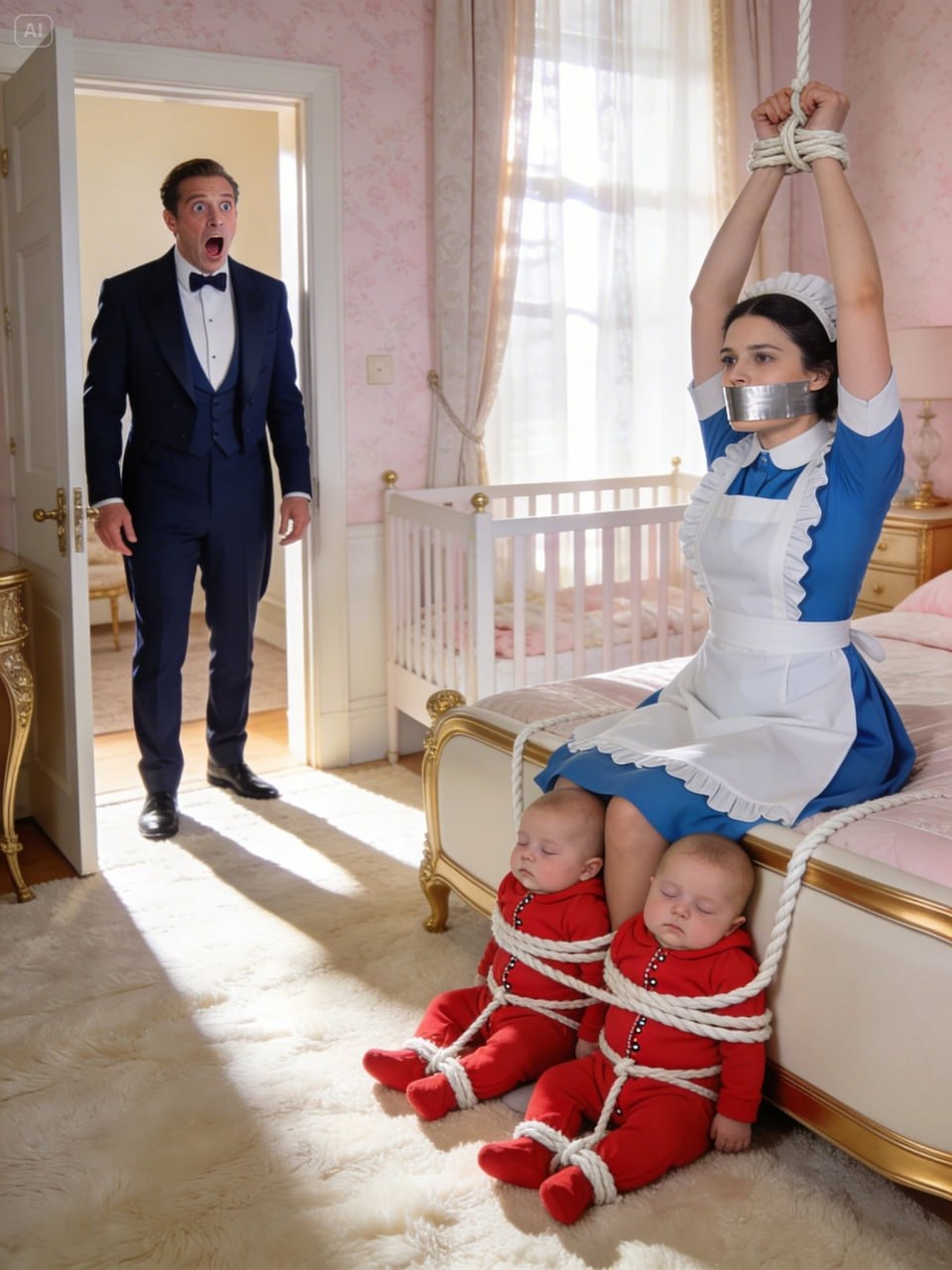
One evening, nearly three years after the night he found her tied in his bedroom, Elizabeth stood with Sha on the back porch after a Carter House fundraiser.
The twins were asleep upstairs.
Lily was asleep in the guest room.
Grace had gone home.
The house was quiet, but not haunted.
Elizabeth looked across the lawn.
“You know,” she said, “I used to think happy endings were just stories people told because real life was too hard.”
Sha leaned on the railing beside her.
“And now?”
“Now I think happy endings are real.” She smiled softly. “They’re just not endings.”
He looked at her.
“What are they?”
“Doors,” she said. “Open ones.”
Sha turned fully toward her.
“Elizabeth.”
She looked at him.
He did not reach for her.
He did not assume.
He simply said the truth.
“I love you.”
The night held still.
Elizabeth’s eyes filled, but she did not look surprised.
Maybe she had known.
Maybe he had been saying it in repaired hallways, in quiet patience, in every time he stepped beside her instead of in front of her.
She whispered, “I know.”
Sha laughed softly, wounded and hopeful at once.
“That is a terrifying answer.”
She smiled.
Then she took his hand.
“I love you too.”
For a moment, neither moved.
Then the front door opened behind them.
Josh’s sleepy voice called, “Daddy? Liz? Jake says there’s a monster.”
Sha closed his eyes.
Elizabeth laughed.
“Real life,” she said.
“Always dramatic,” Sha answered.
They went upstairs together.
In the twins’ room, Jake sat upright with his blanket clutched under his chin.
“There’s a shadow,” he said.
Elizabeth turned on the small lamp.
“No monster,” she said. “Just your dinosaur chair.”
Jake narrowed his eyes.
“It looked suspicious.”
Sha looked at Elizabeth.
“Runs in the family.”
She gave him a warning look, but she was smiling.
Josh patted the bed.
“Stay until we sleep?”
Sha sat on one side.
Elizabeth sat on the other.
The boys settled between them, safe and warm beneath yellow stars painted on the ceiling.
Outside, the gates remained open.
Inside, the house remembered.
It remembered terror.
It remembered lies.
It remembered the night a woman everyone underestimated fought for two little boys with everything she had.
But now it remembered other things too.
Laughter in the halls.
Children sleeping without fear.
A nurse forgiven by truth.
A little girl no longer hidden.
A son free from his mother’s shadow.
A woman no longer invisible.
May you like
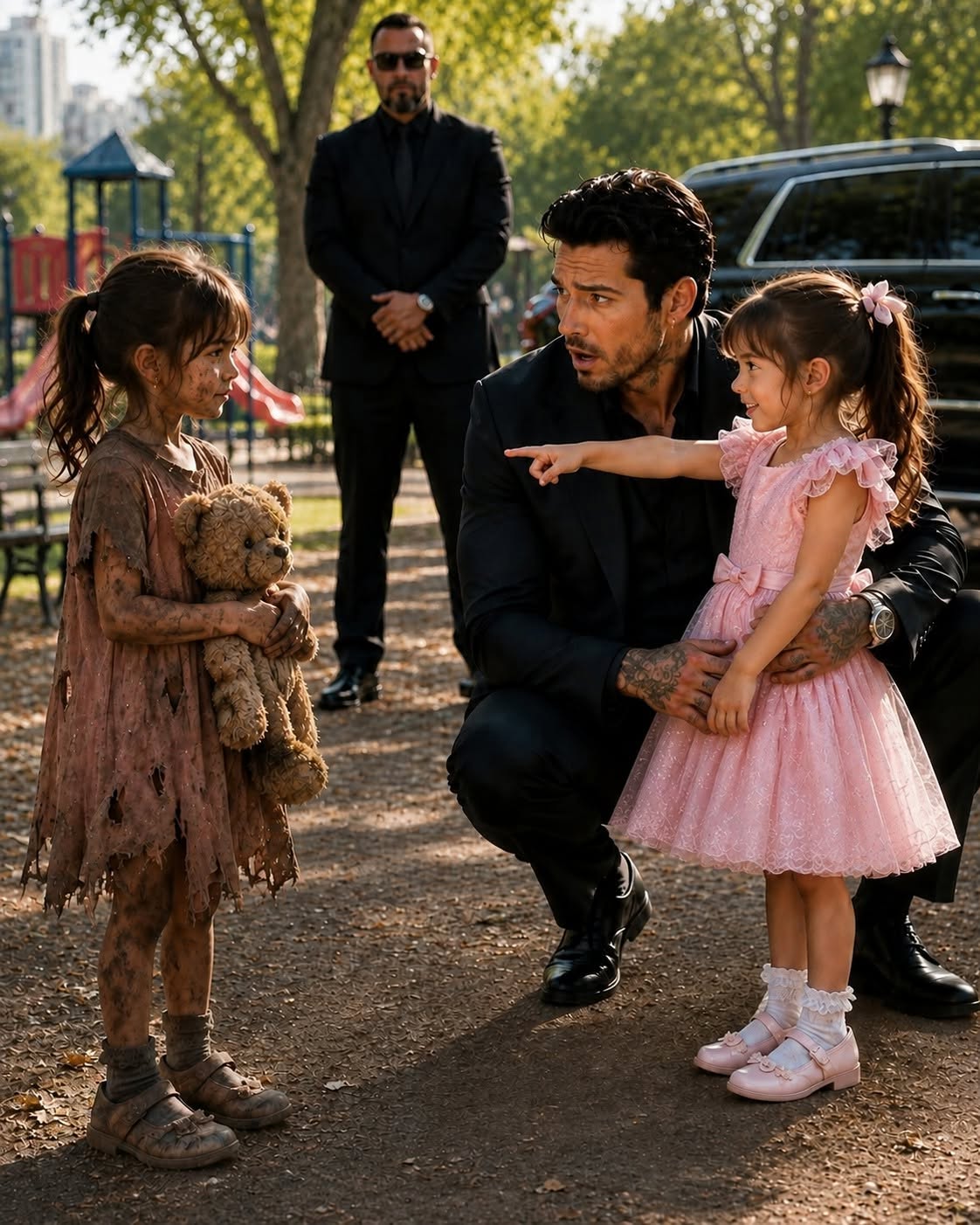
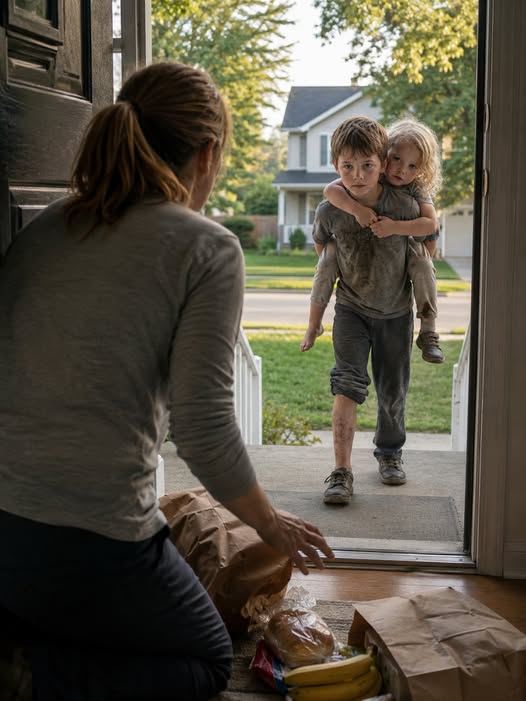

And a family not built by blood alone, but by the people who stayed, spoke, healed, and opened the doors for everyone who came after.
THE END.