Chapter 3 - Brenda’s Smile Disappeared When the Police Asked QuestionsBy noon, Brenda had already turned herself into the victim.
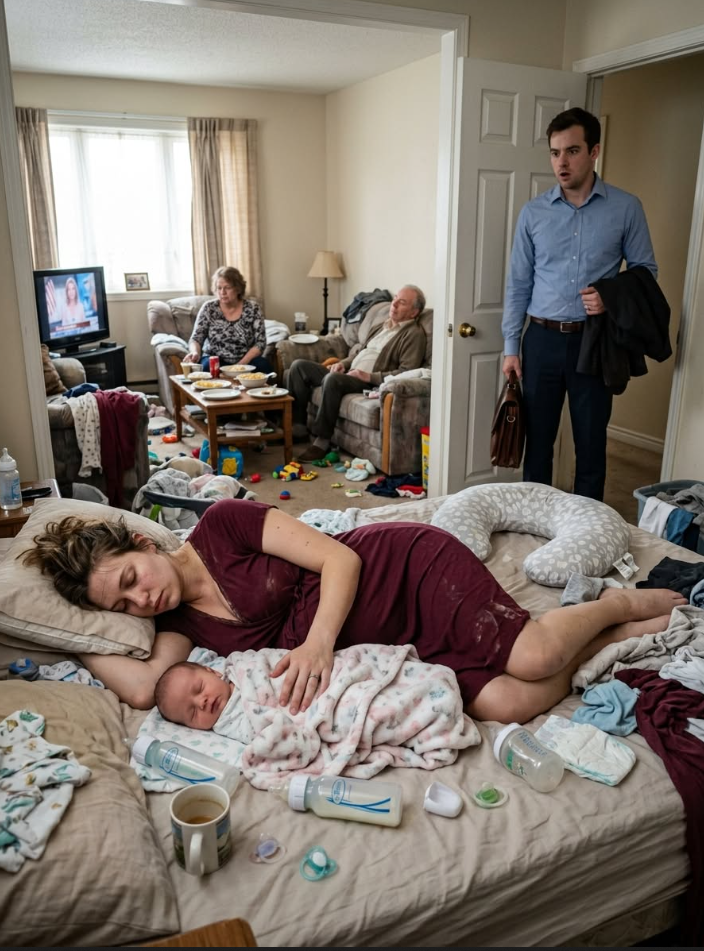
She posted a photo of herself crying in her car.
Not ugly crying. Not real crying. Brenda would never allow that. Her eyeliner was still perfect. Her hair was curled. Her chin trembled just enough to make people feel protective.
The caption said:
Some people will believe a stranger over the woman who raised them. Pray for my mother. She gave everything for her son, and now his wife is trying to send her to jail.
She did not mention Santiago’s fever.
She did not mention Valeria’s bruises.
She did not mention the hospital.
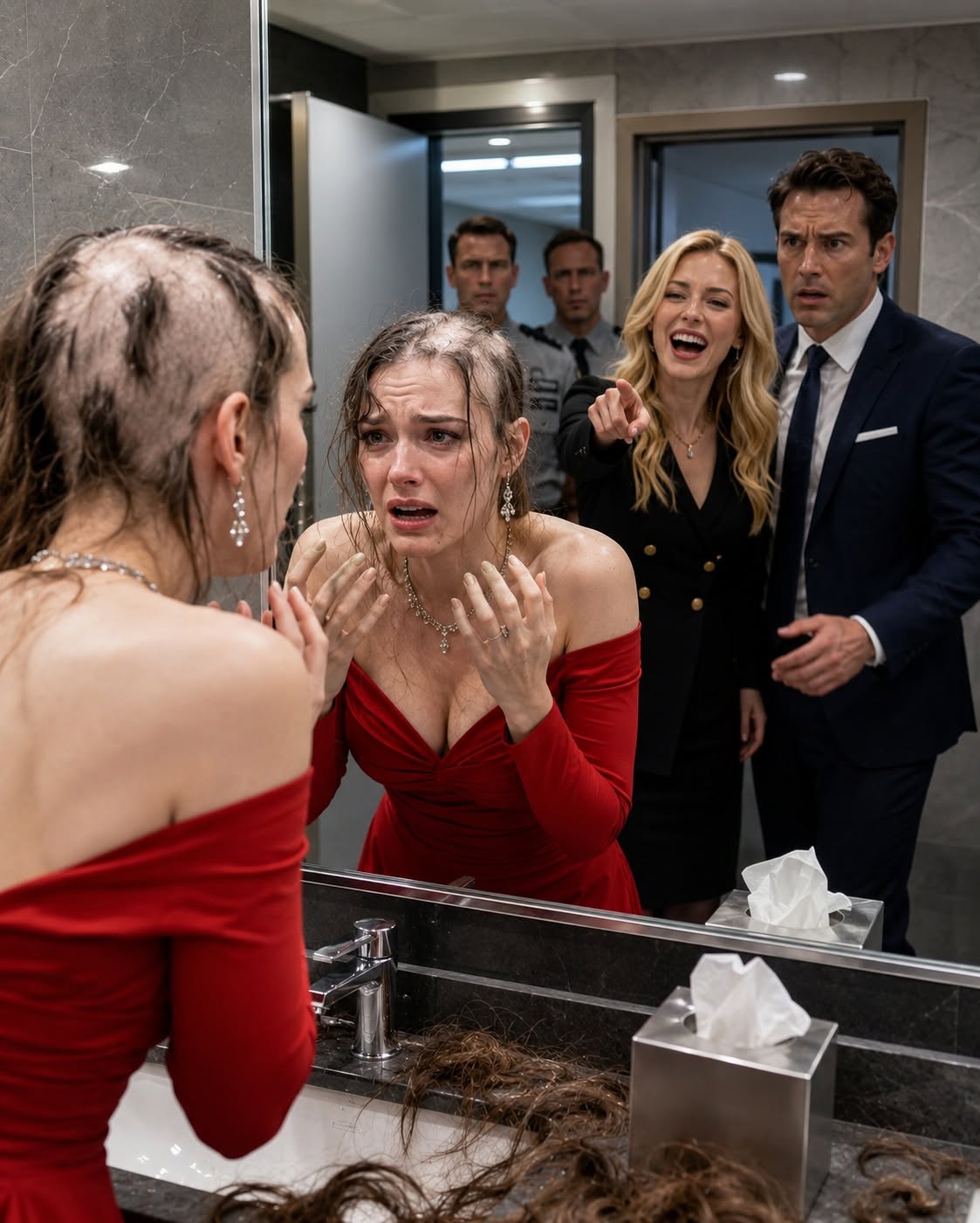
She did not mention the phone she took, the formula she hid, the cold apartment, or the scarf around my wife’s wrists.
By the time Officer Keene returned to the hospital, Brenda’s post had been shared more than a hundred times.
Family members were calling me disgraceful.
Church ladies were calling my mother a saint.
One cousin wrote, A man who chooses his wife over his mother loses God’s blessing.
I wanted to throw my phone against the wall.
Instead, I handed it to Officer Keene.
He scrolled without expression.
“Helpful,” he said.
I stared at him.
“Helpful?”
“People who are innocent usually wait for facts,” he said. “People trying to control a story often talk too early.”
That was the first moment all day I felt something close to hope.
Officer Keene asked to take my formal statement in a small consultation room near the nurses’ station. Angela from social services joined us. She recorded the time, the names, the details.
“When did you leave town?” Officer Keene asked.
“Monday morning,” I said. “Around six. Santiago was six days old.”
“Why did you leave?”
“Work emergency. Construction site inspection in El Paso. I didn’t want to go, but my mother insisted she and Brenda would stay with Valeria. She said Valeria needed women around her.”
“Did your wife agree?”
That question made my stomach tighten.
I remembered Valeria’s face that morning.
She had been sitting on the edge of the bed, holding Santiago, watching my mother unpack groceries in the kitchen like she already owned the place. Brenda was on the couch complaining about how small our apartment was.
Valeria had said, “Maybe you can ask someone else to go.”
I had kissed her forehead and said, “It’s only four days. Mom knows babies. Brenda will help. I’ll call every night.”
I closed my eyes.
“She didn’t want me to go,” I said. “But I convinced her.”
Angela wrote something down.
Not judgment.
But truth.
Officer Keene continued.
“During calls, did you notice anything unusual?”
“Yes. She looked weaker. Quiet. My mother or sister was always nearby.”
“Did they give explanations?”
“Brenda said Valeria was being dramatic. My mother said she was adjusting.”
“Did you see the baby?”
“Only briefly. They said he was sleeping most of the time.”
Officer Keene looked up.
“Was he?”
I shook my head.
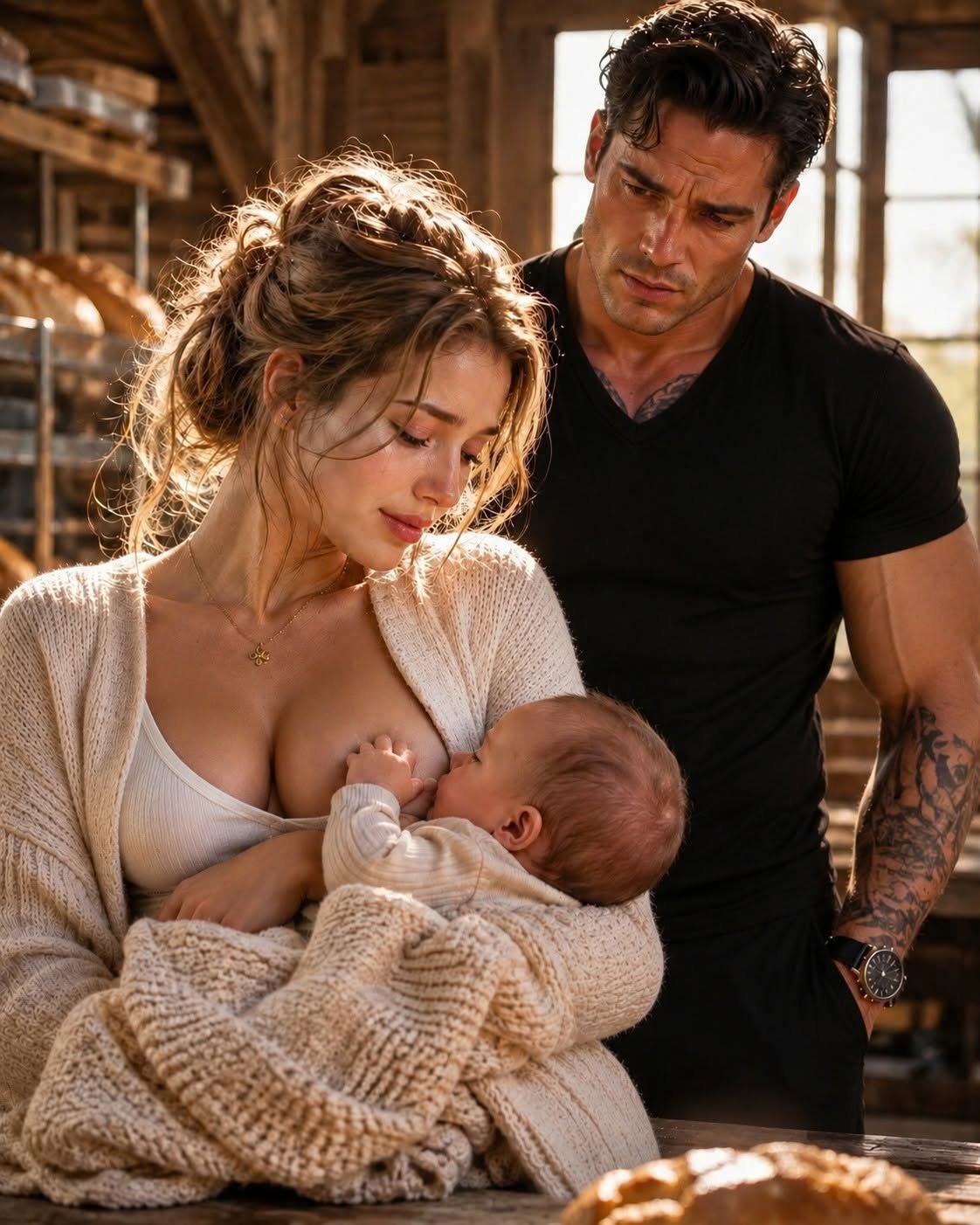
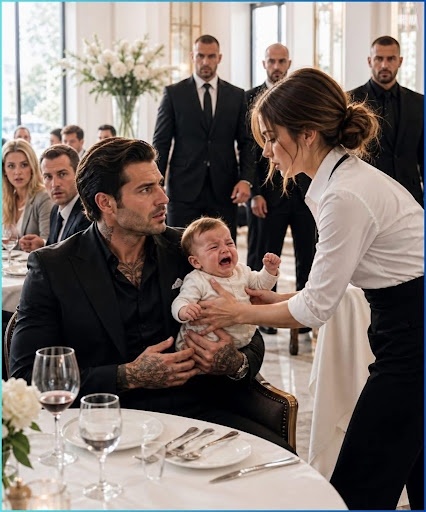
“When I came home, he was crying. But not like normal crying. Dry. Weak. Like he had no energy.”
Angela’s pen stopped.
I forced myself to keep going.
“The apartment was freezing. Trash everywhere. My wife was unconscious on the bedroom floor. Santiago was in the bassinet with a wet blanket under him.”
Officer Keene’s expression hardened.
“Wet with what?”
“Milk maybe. Water. I don’t know. It smelled sour.”
He wrote for a long time.
Then he said, “Your wife has made a statement that she was restrained, deprived of access to a phone, prevented from feeding the baby adequately, and denied medical assistance.”
The words sounded even worse when spoken officially.
I leaned forward, elbows on knees, trying not to break apart.
“What happens now?”
“We gather evidence. Hospital documentation is strong. But we need more than statements if this goes to charges.”
“Like what?”
“Phone records. Messages. Photos. Witnesses. Anything from inside the apartment. Neighbors may have heard something.”
That was when Angela looked at me.
“Do you have cameras in your home?”
“No,” I said.
Then I paused.
Actually, I wasn’t sure.
Months before Santiago was born, I had installed a baby monitor system. Valeria and I had bought it secondhand from another couple. It had a camera over the bassinet and an app that stored motion clips for seven days. We had barely used it because Santiago had only been home a week.
My breath caught.
“The baby monitor,” I said.
Officer Keene looked up.
“What about it?”
“It records short clips. Motion and sound. I forgot because we hadn’t set it up fully.”
“Where is it?”
“In the bedroom. Over the bassinet.”
The officer stood.
“We need to secure that.”
Before he could leave, a nurse stepped into the room.
“Officer Keene? There are two women at the entrance asking for Mr. Torres.”
My body tightened.
Angela asked, “Names?”
“Carmen Torres and Brenda Torres.”
Officer Keene’s face did not change.
“I’ll handle it.”
I followed before anyone could stop me.
At the ER entrance, my mother stood with a rosary wrapped around her fingers. Brenda stood beside her, phone in hand, already recording.
The second she saw me, Brenda lifted the phone higher.
“Here he is,” she said loudly. “My brother. The man letting his wife accuse his own mother while our nephew is sick because Valeria didn’t take care of him.”
People in the waiting room turned.
My mother began crying on cue.
“Mateo,” she sobbed. “Please. Let me see my grandson. I raised you. I have rights.”
Officer Keene stepped between us.
“Ma’am, you are not allowed beyond this point.”
Brenda kept filming.
“Why? Because Valeria lied? Because she wants attention?”
A security guard moved closer.
My hands shook, but my voice stayed calm.
“Turn off the phone, Brenda.”
She smiled.
There it was — that smug little smile she wore whenever she thought she had already won.
“No,” she said. “People deserve to see what she’s doing to this family.”
Officer Keene turned his body toward her camera.
“Brenda Torres?”
She blinked. “Yes?”
“I’d like to ask you some questions regarding the condition of Valeria Torres and Santiago Torres during the four days you were in the home.”
Her smile flickered.
“I already told you. She was dramatic.”
“You told responding officers that Mrs. Torres refused help,” he said. “Is that correct?”
“Yes.”
“You also said the baby was fed regularly?”
“Obviously.”
“How often?”
Brenda’s eyes moved left.
“Like… normal.”
“What does normal mean for a one-week-old newborn?”
Her mouth opened.
No sound came.
My mother stepped in. “Officer, my daughter is not a doctor.”
“No,” Officer Keene said. “But she claimed to be helping care for a newborn. So I’m asking how often that newborn was fed.”
Brenda lowered the phone slightly.
“Every few hours.”
“How many?”
“I don’t remember.”
“Did you prepare formula?”
“She was supposed to breastfeed.”
“That wasn’t my question.”
My mother’s grip tightened on the rosary.
“Formula is not always necessary,” she said. “Women today are weak. They give up too easily.”
A woman in the waiting room looked up sharply.
Officer Keene asked, “Did a doctor instruct that the child should receive formula supplementation?”
I answered before they could lie.
“Yes. It’s in the discharge papers.”
The officer turned back to Brenda.
“Did you read those papers?”
Brenda shrugged. “Maybe.”
“Did you follow them?”
She scoffed. “It’s not that serious.”
The hallway went silent.
Even my mother looked at her.
Officer Keene’s pen paused over his notebook.
“A newborn with a fever and dehydration is not serious?”
Brenda’s face flushed.
“That’s not what I meant.”
“What did you mean?”
“I meant Valeria exaggerates everything. She wanted Mateo to come running back. She always wants attention.”
A door opened behind us.
Dr. Patel stepped into the hallway.
Her white coat seemed to cut through every lie in the air.
“Mrs. Torres was unconscious when she arrived,” Dr. Patel said. “Your nephew was febrile and dehydrated. That is not attention-seeking. That is a medical emergency.”
Brenda swallowed.
My mother lifted her chin.
“My daughter-in-law never respected this family,” she said.
Dr. Patel looked at her with cold disbelief.
“Respect does not treat dehydration.”
Something in my mother snapped.
“She stole my son!” she shouted.
The waiting room froze.
Officer Keene stepped closer.
“Ma’am.”
But she kept going.
“She came into this family with her soft voice and sad eyes, and suddenly my son didn’t listen. Suddenly he had boundaries. Suddenly his mother was too much. His sister was too much. We gave him life, and she turned him against us.”
Every word was louder than the last.
Brenda hissed, “Mom, stop.”
But my mother was past stopping.
“And then she had that baby,” she said, pointing toward the ward. “And everyone expected me to bow to her like she was queen because she gave birth. Women give birth every day. It does not make them special.”
Officer Keene said, “Doña Carmen, I advise you to stop speaking until—”
“She needed to learn,” my mother said.
The words fell like a hammer.
I stared at her.
Officer Keene went still.
Dr. Patel’s eyes narrowed.
Brenda whispered, “Mom.”
My mother realized too late what she had said.
“Learn what?” Officer Keene asked.
My mother’s mouth tightened.
“Responsibility.”
“For what?”
“For taking my son away.”
The silence that followed felt almost holy.
Because finally, in front of witnesses, my mother had stopped pretending.
Officer Keene closed his notebook.
“Doña Carmen Torres, Brenda Torres, you both need to come to the station for formal questioning.”
Brenda’s face went white.
“We’re not under arrest.”
“Not at this moment,” he said. “But refusing to cooperate will be noted.”
Brenda looked at me, panic starting to show beneath her anger.
“Mateo, tell them this is ridiculous.”
I looked at my sister.
All our childhood flashed between us — the way she cried when she didn’t get her way, the way my mother punished me for upsetting her, the way Brenda learned early that guilt could open any door.
Not this one.
“No,” I said.
Her mouth twisted.
“You’re dead to us.”
I felt the words land.
They should have hurt.
But all I felt was relief.
“Then stay away from my family.”
They were escorted out.
As they passed the automatic doors, Brenda turned back with pure hatred in her eyes.
She mouthed something I could barely make out.
You’ll regret this.
Maybe once, I would have.
But upstairs, my wife was alive.
May you like

My son was fighting.
And somewhere in our apartment, a baby monitor might have recorded the truth my family thought they had left behind.
Related Stories