Chapter 10 - The Three Cries That Ended the WarAnna Whitcomb was not dead.
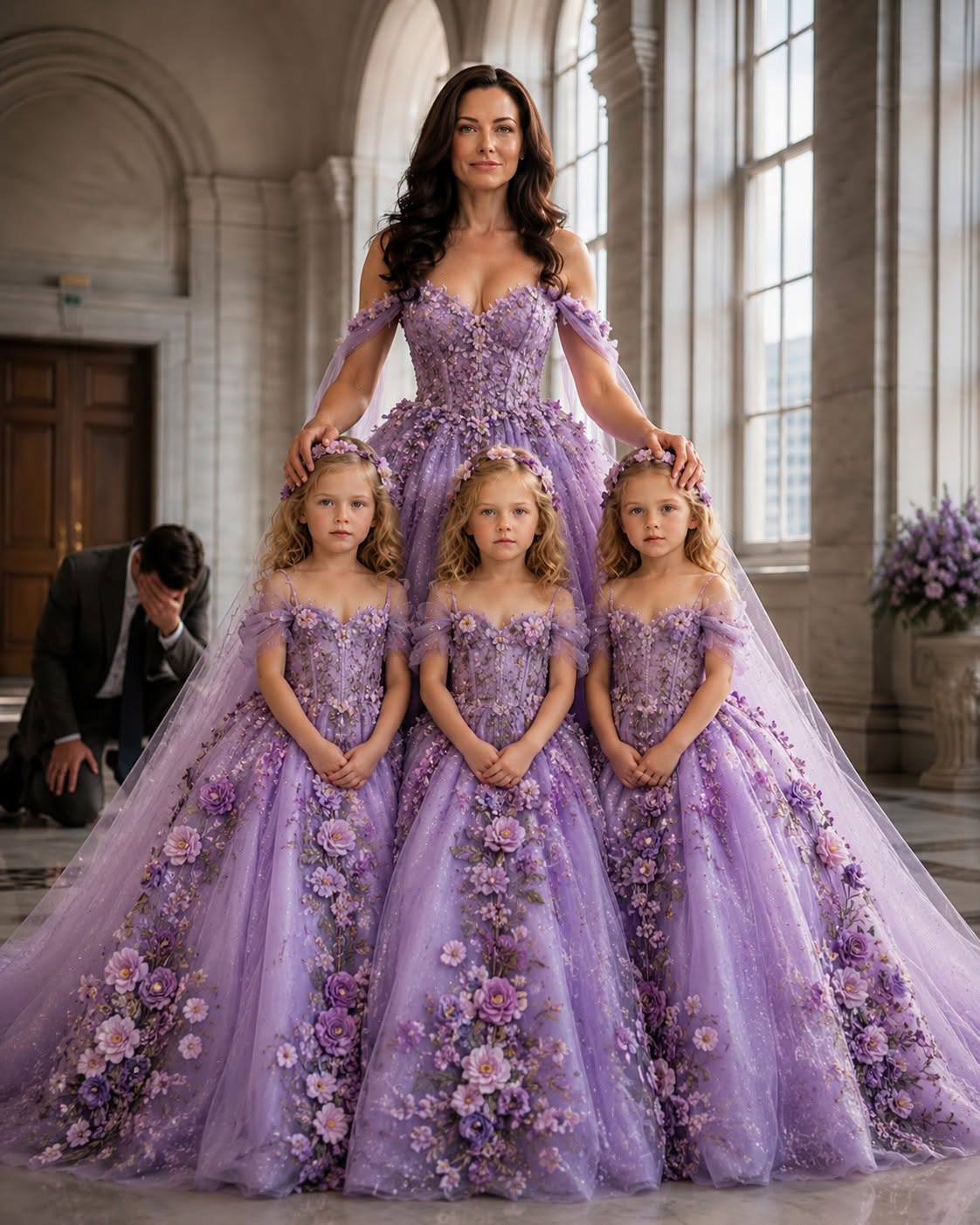
She was not missing.
She was hidden.
There is a difference, Thomas said, though at first I hated him for saying it.
“Hidden by whom?” Mara demanded.
Thomas stood in my hospital room with his shoulders bent beneath decades of secrets. Outside the door, two officers guarded the hallway. Inside, my three babies slept under watch—Oliver and Rose in the NICU behind glass, Jude in a bassinet beside my bed after doctors decided he needed to stay close until everyone trusted the world again.
“By Lydia,” Thomas said.
Mara’s voice hardened. “Why?”
Thomas looked at me.
“Because Anna was terrified of Grant.”
The room fell silent.
He continued.
“She became pregnant while working for him. Grant pressured her to terminate. When she refused, he threatened her financially, professionally, personally. Lydia learned of it during her investigation into him.”
My stomach twisted.
“What happened to the baby?”
“A girl,” Thomas said softly. “Named Lily.”
I gripped the sheet.
Grant had a daughter.
A daughter he had erased before trying to erase mine.
“Where is she?” I asked.
Thomas hesitated.
Mara snapped, “No more half-truths.”
He nodded, ashamed.
“Anna and Lily live under trust protection in Maine. New names. New records. Lydia paid for everything.”
I stared at him.
“My grandmother hid them from Grant.”
“Yes.”
“Why didn’t she tell me before I married him?”
Thomas looked broken.
“Because Anna begged her not to reveal the case. She feared Grant would find them. Lydia intended to tell you before the wedding, but Grant proposed suddenly. You were happy. Lydia was ill. She delayed.”
“And then she died,” I whispered.
“Yes.”
Anger burned through my chest.
At Grant.
At secrets.
At protection that came too late.
At love treated like a locked room only men and lawyers were allowed to enter.
Mara was already moving. “We need Anna.”
Thomas looked up. “Absolutely not.”
“If Grant knows where she is, she’s in danger.”
That ended the argument.
Within an hour, state police in Maine were alerted.
Within two, Anna Whitcomb and her daughter were placed under emergency protection.
Within four, I saw Anna’s face on a secured video call.
She looked older than the photograph, of course. Stronger too. Her auburn hair was streaked with gray near the temples. Her eyes carried the tired alertness of someone who had spent years listening for footsteps.
Beside her stood a girl of nine.
Lily.
Grant’s first child.
She had his dark eyes.
But everything gentle in her face must have come from Anna.
Anna looked at me for a long time before speaking.
“I’m sorry,” she said.
I almost laughed, because women like us were always apologizing for surviving men like him.
“You have nothing to be sorry for.”
Her eyes filled.
“I should have come forward when I heard you married him.”
“You were protecting your child.”
“So were you.”
Those four words broke something open in me.
Not pain.
Recognition.
Across years, across secrets, across different kinds of betrayal, Anna and I understood each other immediately.
Mara leaned into frame. “Anna, Grant is missing. He mentioned you and Lily. We believe he may try to use you.”
Anna’s face changed.
Fear returned like an old bruise pressed too hard.
“I have evidence,” she whispered.
Mara went still.
“What kind?”
“Recordings. Medical bills. Settlement drafts I never signed. Messages from Celeste. And one video.”
Mara’s voice lowered.
“What video?”
Anna looked away, toward her daughter.
Then back at us.
“The day Grant tried to take Lily from the clinic.”
No one spoke.
Anna continued.
“Lydia’s investigator stopped him. Grant didn’t know there was a camera.”
Mara closed her eyes for one second.
A lawyer’s prayer.
“Can you send it?”
Anna nodded.
“I kept it because I always knew he would do this to someone else.”
That night, the video reached investigators.
By morning, Grant Holloway’s past and present had fused into one undeniable pattern.
Anna.
Madeline.
Lily.
Oliver.
Rose.
Jude.
Women threatened.
Children treated as leverage.
Medical care turned into a bargaining chip.
Money used like a weapon.
The final manhunt lasted eleven hours.
Grant was found not at an airport, not at a mansion, not at a bank.
He was found at an old donor retreat in the mountains, one Lydia Vale had once used to host charity board meetings.
He had gone back to the beginning.
Maybe he thought there would be documents there.
Maybe he thought one last secret would save him.
Maybe men like Grant simply return to locked doors because they cannot imagine the world continuing without them holding the key.
Police body cameras captured the arrest.
Grant stood in a library surrounded by old portraits, holding a folder that turned out to be empty.
When officers ordered him to kneel, he laughed.
“You don’t understand,” he said. “I made all of them rich.”
An officer replied, “Hands behind your back.”
Grant looked toward the camera.
For one flicker of a second, the polished billionaire returned.
“I want my attorney.”
The officer cuffed him.
“You’ll have time to call one.”
Grant Holloway was charged with kidnapping conspiracy, custodial interference, financial fraud, witness intimidation, medical tampering conspiracy, and multiple violations tied to trust and corporate misconduct.
His attorneys denied everything.
That was expected.
But denial sounds different after the world has heard your voice.
If nature finishes the job, I mourn. If it doesn’t, I file.
No one forgot that sentence.
Holloway Group did not survive under that name.
Three weeks after Grant’s arrest, the board voted unanimously to remove him permanently and restructure the company under independent leadership.
The new name was Vale Harbor Group.
Not for Lydia.
For the safe harbor fund created from recovered assets to protect postpartum mothers, NICU families, medical whistleblowers, and children caught in custody abuse.
I did not choose the name.
Anna did.
At the first public hearing, she appeared by video with her attorney beside her and Lily safely off camera.
Her testimony lasted forty-seven minutes.
Grant did not look at her once.
But when Anna played the clinic video, his face finally changed.
Not guilt.
Fear.
Because his oldest crime had returned holding hands with his newest.
Celeste testified too.
She did not ask for forgiveness.
Smart woman.
She gave dates, passwords, account names, burner phones, hidden properties, and the name of every person Grant had paid to look away.
Her deal was not generous.
Mara made sure of that.
Marjorie Bell pleaded guilty to records manipulation and conspiracy.
Nurse Angela Price pleaded guilty to child endangerment and medical tampering-related charges in exchange for full cooperation.
Dr. Lang lost his license before his criminal trial even began.
Daniel Pierce avoided prison only by handing over everything.
As for Thomas Vail, he resigned as trustee.
Before he left, he came to my hospital room carrying one final envelope.
“I failed you,” he said.
I was sitting in a chair beside the NICU window, stronger now, Rose tucked against my chest.
Oliver had graduated from oxygen support that morning.
Jude had gained three ounces.
Three ounces had become my favorite measurement of hope.
“You protected the trust,” I said. “But you forgot to protect the truth.”
Thomas bowed his head.
“Yes.”
I took the envelope but did not open it.
“Who is the new trustee?”
He looked toward the hallway.
Mara walked in holding coffee and three stuffed animals.
I stared at her.
She lifted one eyebrow. “Apparently I have made a terrible career decision.”
For the first time in weeks, I laughed.
Not bitterly.
Not painfully.
A real laugh.
Rose startled against my chest, then settled.
Thomas smiled faintly.
“Your grandmother named alternates. Mara was one of them.”
“Of course she was,” I whispered.
Lydia Vale had been dead for years and was still outmaneuvering everyone.
Six weeks after the delivery, I brought my babies home.
Not to the Beverly Hills mansion Grant had thrown me out of emotionally long before he ever signed papers.
That house was under asset freeze anyway.
I brought them to my grandmother’s old home near the coast.
A white house with blue shutters, wild roses along the fence, and windows that opened toward the sea.
Anna and Lily came three days later.
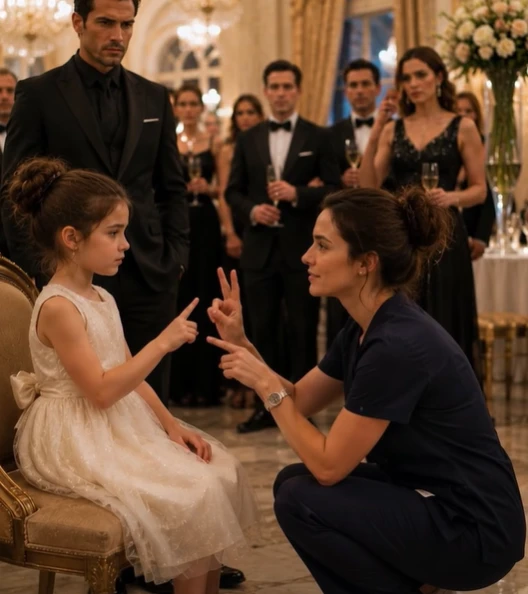
Lily was shy at first.
She stood in the nursery doorway looking at the triplets like they were tiny miracles she was afraid to breathe near.
Then Oliver sneezed.
Lily giggled.
Just like that, the room softened.
Anna stood beside me, watching her daughter lean over Jude’s crib.
“She always wanted siblings,” Anna said quietly.
I looked at her.
“They have one.”
Anna’s eyes filled.
Downstairs, Mara argued with contractors about security gates. Dr. Ramirez had come by with groceries and left with Rose asleep in her arms. Evelyn Frost sent a note saying the first donation from Vale Harbor Group had paid NICU bills for twelve families who would never know my name.
For a long time, I stood in that nursery and listened.
Three babies breathing.
One little girl laughing.
Two mothers surviving.
The sound was small.
But it was stronger than any empire Grant had built.
Months later, at Grant’s preliminary hearing, he saw the children for the first time through a courtroom screen.
Not in person.
Never close enough to touch.
Oliver had my grandmother’s stubborn chin.
Rose had my eyes.
Jude, my smallest fighter, had grown round-cheeked and serious, staring at the camera as if unimpressed by the man who had tried to turn his life into leverage.
Grant’s face tightened when Lily appeared beside Anna.
Four children.
All connected to him.
None belonging to him.
That was the punishment money could not soften.
The judge denied expanded access.
The criminal proceedings moved forward.
Civil claims multiplied.
Assets remained frozen.
Buildings were renamed.
His portrait disappeared.
His foundation was dissolved and rebuilt.
The world moved on, but not in the direction he expected.
One evening, nearly a year after the ICU, I sat on the porch with Jude asleep against my shoulder while Oliver and Rose napped inside.
Anna and Lily were in the kitchen making cookies.
Mara was on the phone threatening someone politely, which I had learned was her love language.
The ocean wind moved through the roses.
My phone buzzed.
A prison-monitored call request.
Grant Holloway.
For a moment, I stared at the screen.
Then I declined.
No speech.
No final confrontation.
No dramatic last word.
Some men want closure because they mistake it for control.
I gave him silence.
Not the silence of fear.
The silence of a door locked from the inside.
Jude stirred against me.
I kissed his head.
Inside the house, Oliver began to cry.
Then Rose joined him.
Then Jude woke and added his voice to theirs.
Three cries.
Loud.
Healthy.
Demanding.
Alive.
I stood, smiling through tears, and carried my son back into the home Grant had never been able to touch.
Once, he had signed papers outside the ICU and asked how fast he could finalize losing me.
Now he had his answer.
Completely.
May you like
Forever.
And not one dollar he owned could buy back the family he had thrown away.