CHAPTER 19 THE VOTE WITHOUT A KING
THE VOTE WITHOUT A KING
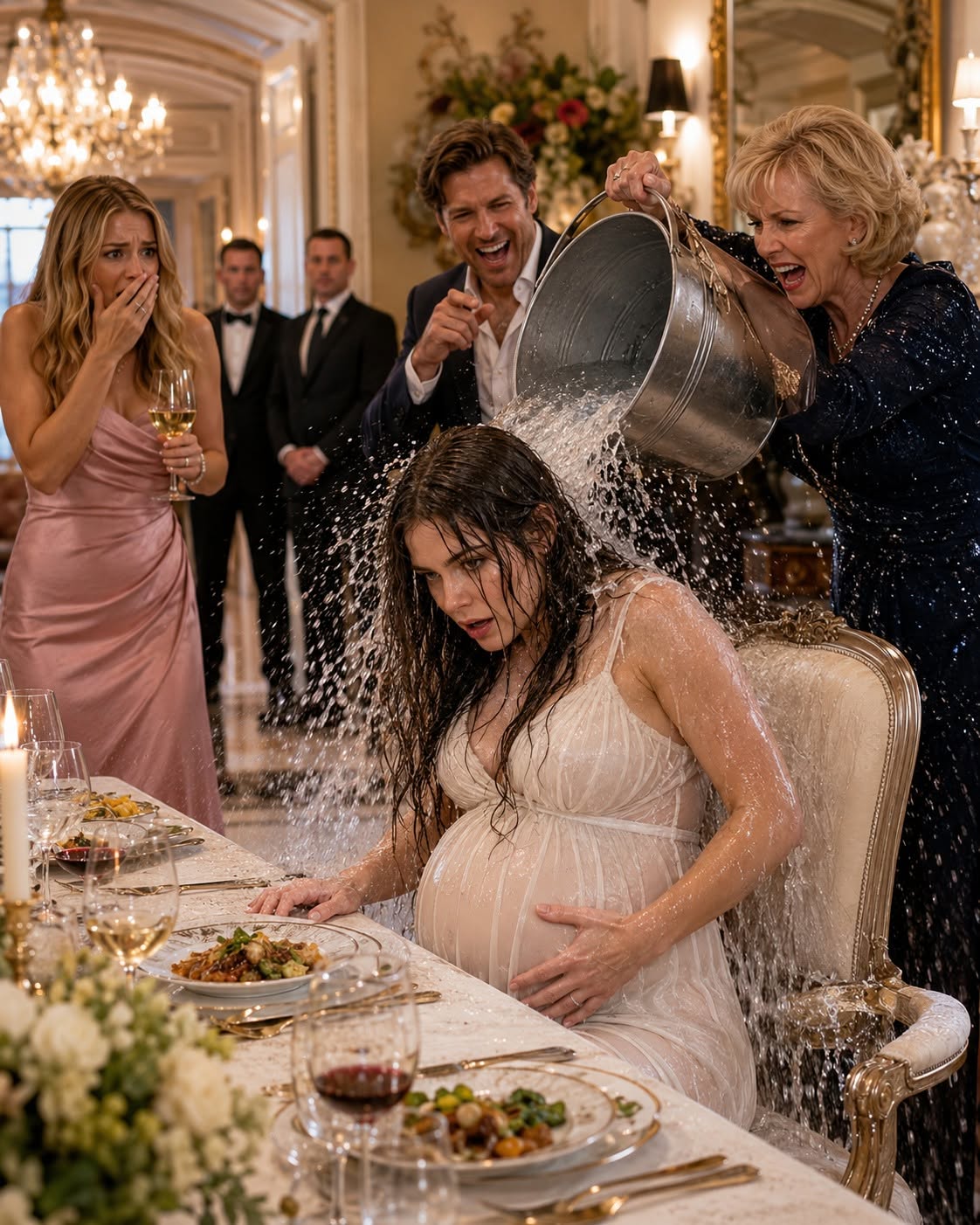
Two weeks after Hope’s birth, I addressed Vale Meridian’s shareholders from a private room beside the neonatal unit.
I wore a navy jacket over a hospital nursing top. My face was pale. My body still hurt when I stood too long. Behind the camera, a monitor displayed my daughter’s heartbeat.
No image consultant would have chosen the setting.
That was why I chose it.
For decades, the company had hidden weakness behind glass towers, polished reports, and charitable language. I was done presenting control as perfection.
The special shareholder meeting opened at nine a.m.
Priya sat at Vale Meridian Tower as interim chief executive. Arthur represented the founder trust. Samuel Lorne and three Bellweather residents appeared as independent stakeholders. Employee pension funds controlled a newly formed coalition. Harrowgate attended through counsel after removing Jonathan as general partner.
The proposals were simple to describe and difficult to accept.
First, transfer forty-nine percent of my founder voting rights into the Vale Public Benefit Trust.
Second, eliminate the automatic biological succession clause.
Third, end unilateral founder countermand after a two-year transition.
Fourth, establish independent oversight for environmental, medical, and whistleblower claims.
Fifth, fund Bellweather remediation and Northstar research without confidentiality requirements.
Sixth, protect payroll and pensions through sale of my personal assets and emergency financing from the new trust coalition.
In exchange, lenders would extend credit, regulators would support supervised restructuring, and Northstar would complete under independent governance.
I would remain controlling owner during transition.
Then I would become one director among many.
Jonathan joined from a detention facility after obtaining court permission to address shareholders. He wore a dark suit and no visible restraints. He looked more like my father on screen than he had in person.
“Vale Meridian is not a social experiment,” he said. “It is an economic institution responsible to shareholders. Cassidy’s plan converts private property into a political body, admits unproven liabilities, and rewards activists who seek the company’s destruction.”
Samuel responded calmly. “The illnesses are proven. What remains disputed is how much your family knew and when.”
Jonathan’s eyes narrowed. “My family?”
“Yes,” Samuel said. “The one you abandoned and the one you used.”
Harrowgate’s counsel proposed an alternative: install a restructuring board selected by major institutional shareholders, postpone Bellweather admissions, retain founder control under a professional trustee, and remove me from management for three years.
The professional trustee was Harrowgate.
Old power with a cleaner label.
Diane testified next under cooperation agreement.
Her appearance shocked the market. She admitted false invoices, surveillance, interference with medical care, and participation in the Custodians. She described how private payments became private influence, then private violence.
“I told myself the company owed me,” she said. “It took my first child and gave me access in return. I believed power was compensation. Eventually I could no longer tell the difference between being protected and being owned.”
She looked into the camera.
“Cassidy did not activate Protocol Seven because I embarrassed her. She activated it because I showed her exactly what we believed she was: a womb attached to shares.”
No lawyer could have written a more devastating sentence.
Brendan testified after her.
He admitted targeting me, concealing my identity from me, accepting unauthorized information, failing to report fraud, and using stolen prenatal records in the board meeting.
He did not minimize.
He did not blame Diane.
When asked whether I had ever appeared mentally incapable, he said, “No. I called her unstable when she stopped accepting behavior that benefited me.”
When asked whether he supported Harrowgate’s custody petition, he said, “No. I signed a document I did not understand because I wanted a promotion. That failure is mine. I support Cassidy’s sole custody and supervised access for myself until a court determines otherwise.”
The honesty did not restore his reputation.
It did something smaller and more useful.
It stopped another lie.
Celia spoke about being declared dead at nine. Arthur sat off-camera, listening.
“The company’s secrecy did not protect me,” she said. “Individual people protected me while institutions protected themselves. Do not confuse the two.”
Marcus submitted evidence about his father’s role, including both the crash planning and the payments that kept Celia alive. He requested an independent review of executive security history, including his own decisions.
Everyone was giving up something.
That was how I knew the reform might be real.
Then it was my turn.
I looked into the camera.
“My grandfather taught me that ownership is responsibility, not worth. I spent years hiding my name because I feared people would love the company instead of me. That choice allowed me to see how people behave around someone they consider powerless. It also allowed me to avoid the obligations attached to my shares.”
I paused.
“I will not pretend I am innocent because I did not know everything. I had the power to ask harder questions. I chose privacy. Others paid for that choice.”
The share count updated in real time.
Retail investors leaned toward reform.
Several institutions remained undecided.
Harrowgate’s alternative held a narrow lead.
I continued.
“Some people say disclosure will kill Vale Meridian. Perhaps secrecy already did. A company does not survive because its stock price remains high for one quarter. It survives because employees, customers, communities, and investors believe its promises mean something.”
I held up the original brass founder key.
“This key allowed one heir to suspend leadership. A second key allowed hidden guardians to suspend the heir. Both were created because my grandfather did not trust ordinary governance. He was sometimes right not to trust it. But secret power did not prevent abuse. It became another form of abuse.”
I placed the key on the table.
“If the reform passes, both keys will be retired at the end of transition. Protocol Seven will become an independent emergency process led by courts, employee representatives, compliance officers, and outside directors. No family will control it.”
Jonathan interrupted from detention. “Without founder control, Vale Meridian will be carved apart within five years.”
“Then it will have to earn unity.”
“You are surrendering your daughter’s birthright.”
“No,” I said. “I am giving her the right not to inherit everyone’s silence.”
Hope cried through the monitor behind me.
The microphone caught it.
For a moment, the meeting paused.
Not for an heir.
For a hungry newborn.
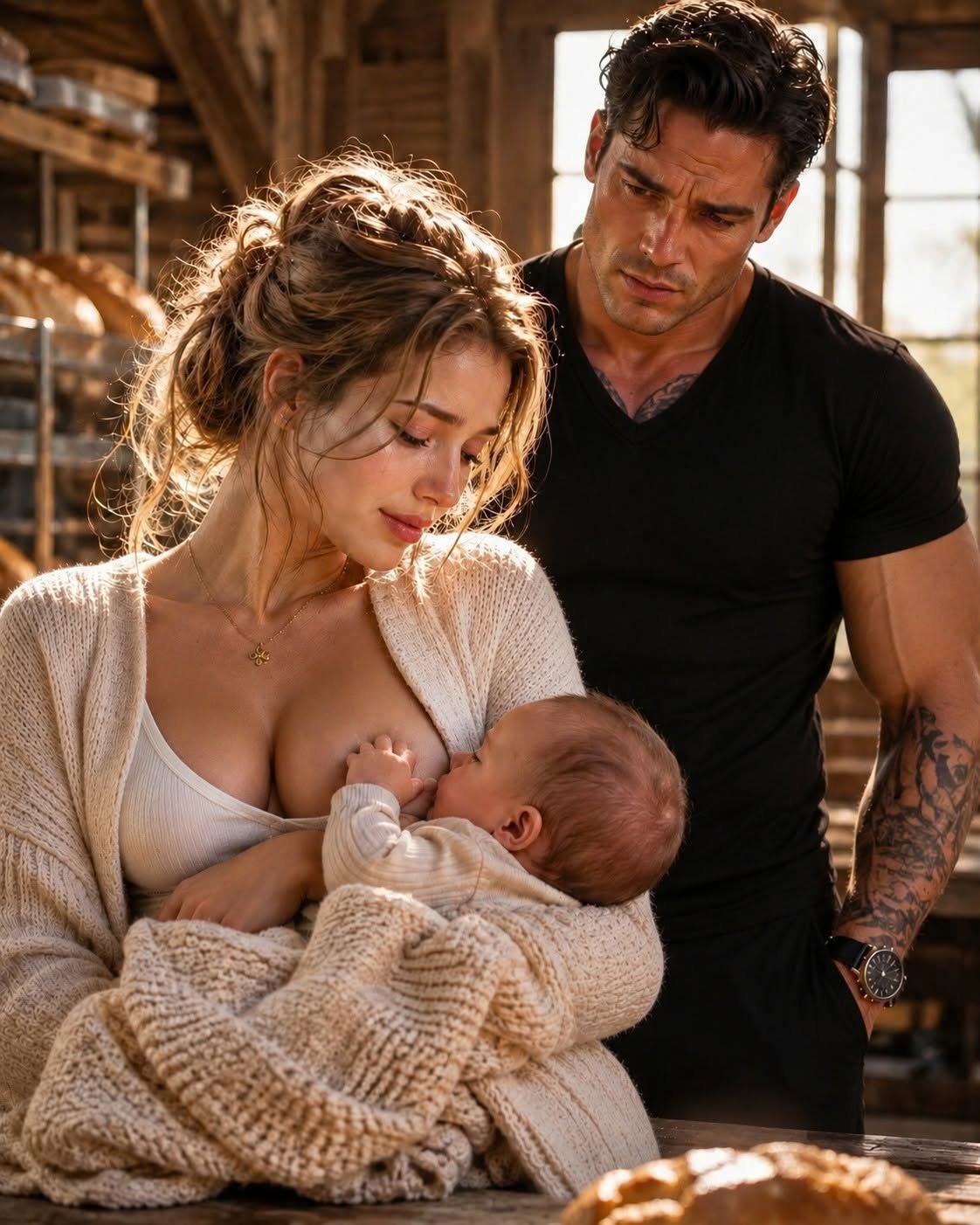
I turned away from the camera and lifted her from the bassinet. The nurse helped position the oxygen line. Hope settled against my chest.
I returned to the screen holding her.
“This is Hope,” I said. “She owns nothing today. She owes nothing today. She is not a continuity plan. She is not a voting instrument. She is not evidence of anyone’s fitness. She is a child.”
The employee pension coalition cast its votes for reform.
Two undecided institutions followed.
Harrowgate’s lead disappeared.
The final count was announced at 12:43 p.m.
Reform passed with sixty-one percent of nonfounder shares and my founder vote.
The public-benefit trust was approved.
The biological succession clause was terminated.
The emergency financing closed an hour later.
Payroll would be met.
The stock fell another six percent, then stabilized.
There was no triumphant music.
No instant recovery.
Only work.
Arthur came into the room after the vote.
“You ended the Vale monarchy,” he said.
“I ended the part that believed blood was governance.”
He looked at Hope. “Elias would be furious.”
“Good.”
“And proud.”
“That too.”
A message arrived from Agent Ellis.
Evelyn Shaw had agreed to plead guilty to conspiracy, kidnapping, obstruction, and environmental crimes in exchange for providing the full Custodian archive. Jonathan faced attempted murder, conspiracy, illegal surveillance, and market-manipulation charges. Daniel Frost had also begun cooperating.
Diane would receive no immunity for violence, but her assistance would be considered at sentencing.
Brendan’s criminal exposure remained under review.
The legal process would take years.
Justice often does.
That afternoon, Samuel called.
Northstar’s board had accepted the independent structure. Bellweather residents would hold two permanent oversight seats.
“Your mother wanted this,” he said.
“She wanted many things she never finished.”
“So finish one.”
I looked down at Hope.
“I will.”
The hours after the vote were filled with consequences rather than celebration. Lenders requested weekly reporting. Union leaders demanded seats in plant-closure decisions. Bellweather families insisted the first fund administrator have no prior Vale connection. Priya accepted all three conditions before I could respond.
“Accountability is expensive,” she said.
“So was secrecy.”
Outside the hospital, reporters waited behind barricades. I released no photograph of Hope and no statement about her medical details. The same public that had debated her paternity did not receive ownership of her face. Transparency about power did not require surrendering a child’s privacy.
Before Arthur left, he placed a small box on the table.
Inside was the second founder key.
Celia had returned it.
A note lay beneath it.
I spent my life trying to decide whether this key was protection or poison. Maybe it was both. Melt it down into something honest.
May you like
I held the two brass keys together.
For the first time, they felt light.